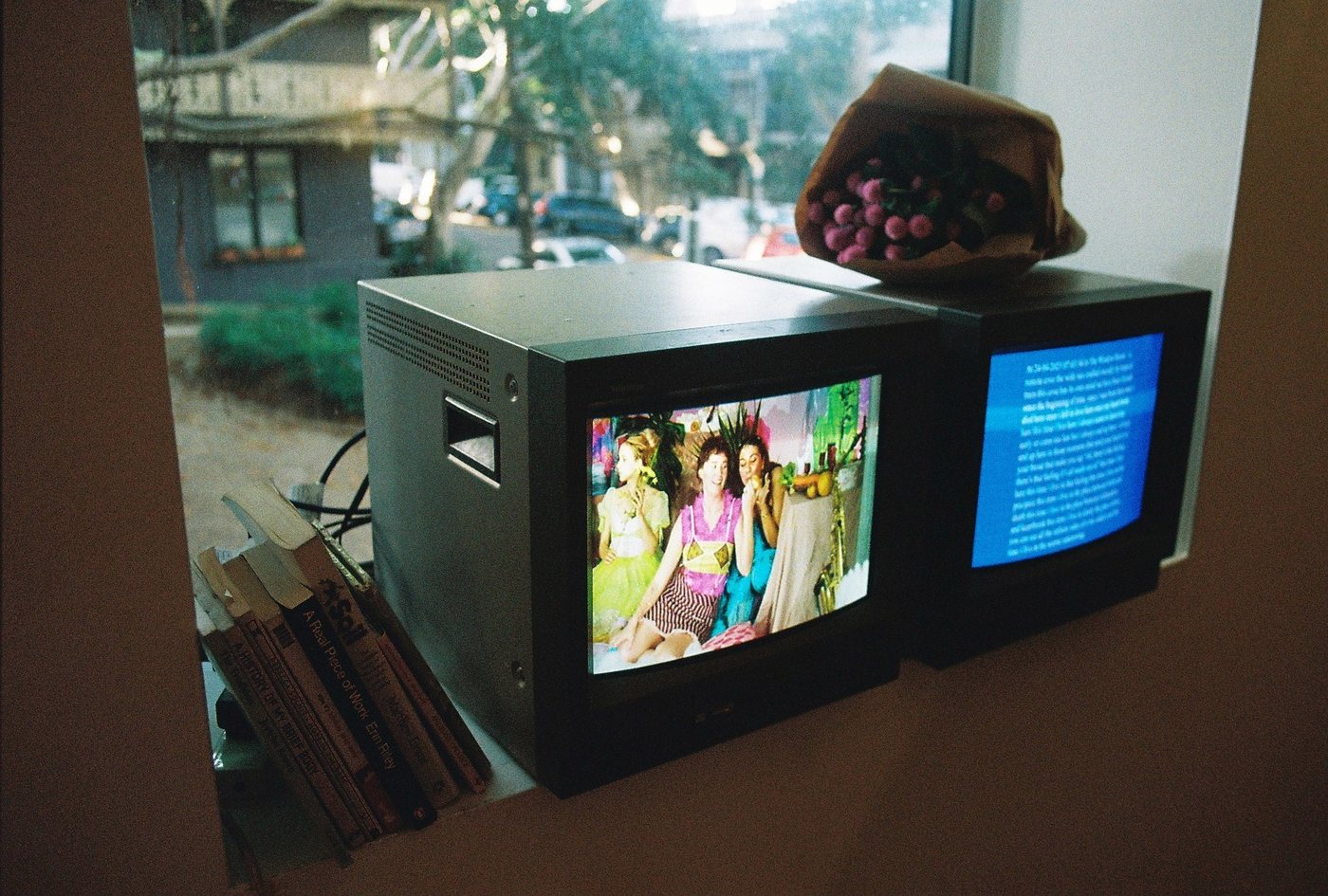
CU·01 kudos gallery ↗
Utopography · independent
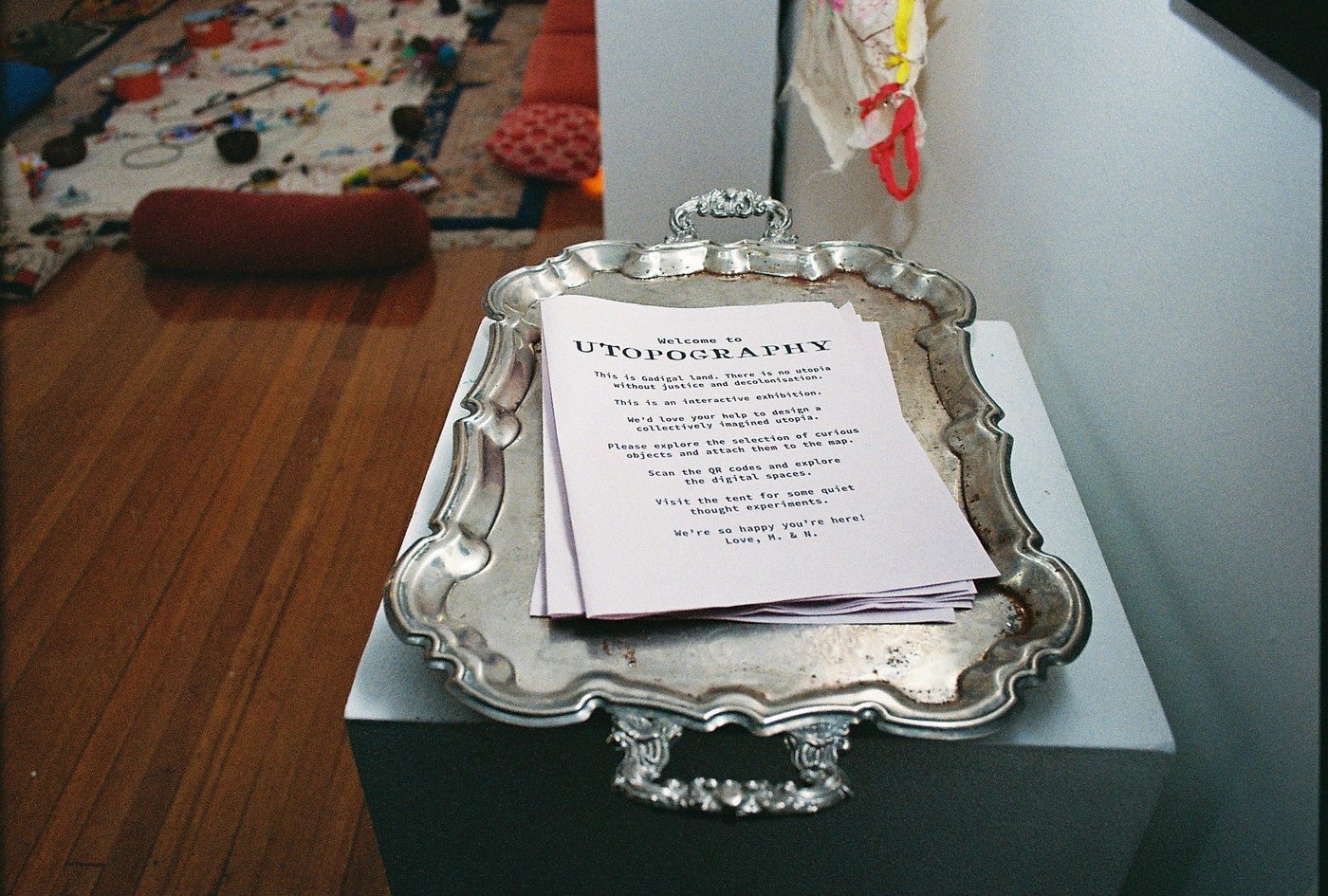
Utopography is a collaborative experience facilitated by Nikau Davis (they/them) and Minna Squire (they/them), which asks participants to engage intentionally, collectively, and relationally to examine ideas of imagined futures and speculative utopian places.
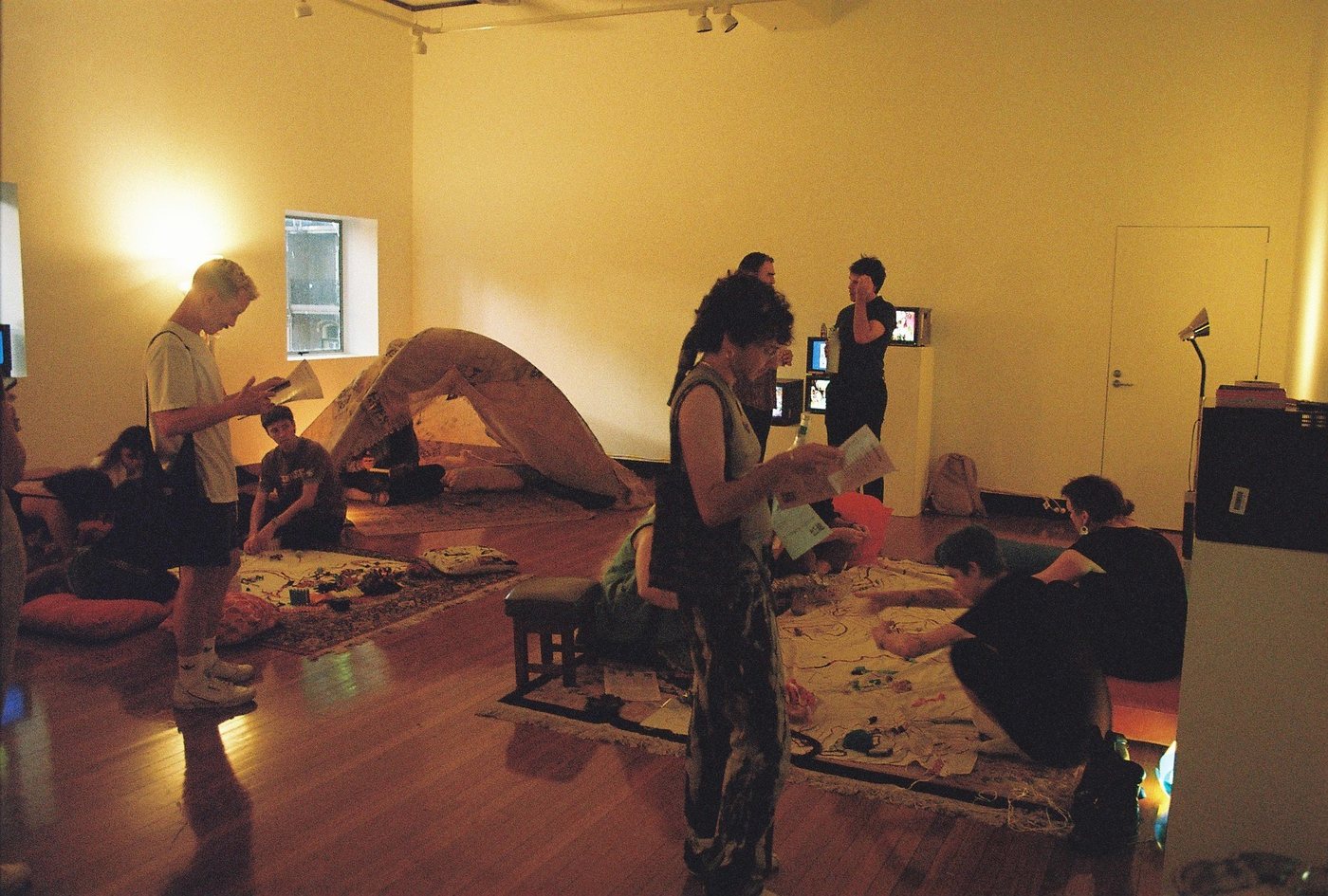
Ultimately, participants collaboratively generate the collective documentation of utopic topographical mapping (Utopography) as a means to dream a more hopeful future into the present.
Utopography is located at the intersection of the digital and physical worlds. The immateriality of the digital liberates imagination, while physical space grounds this theoretical and speculative hope in the practical present.
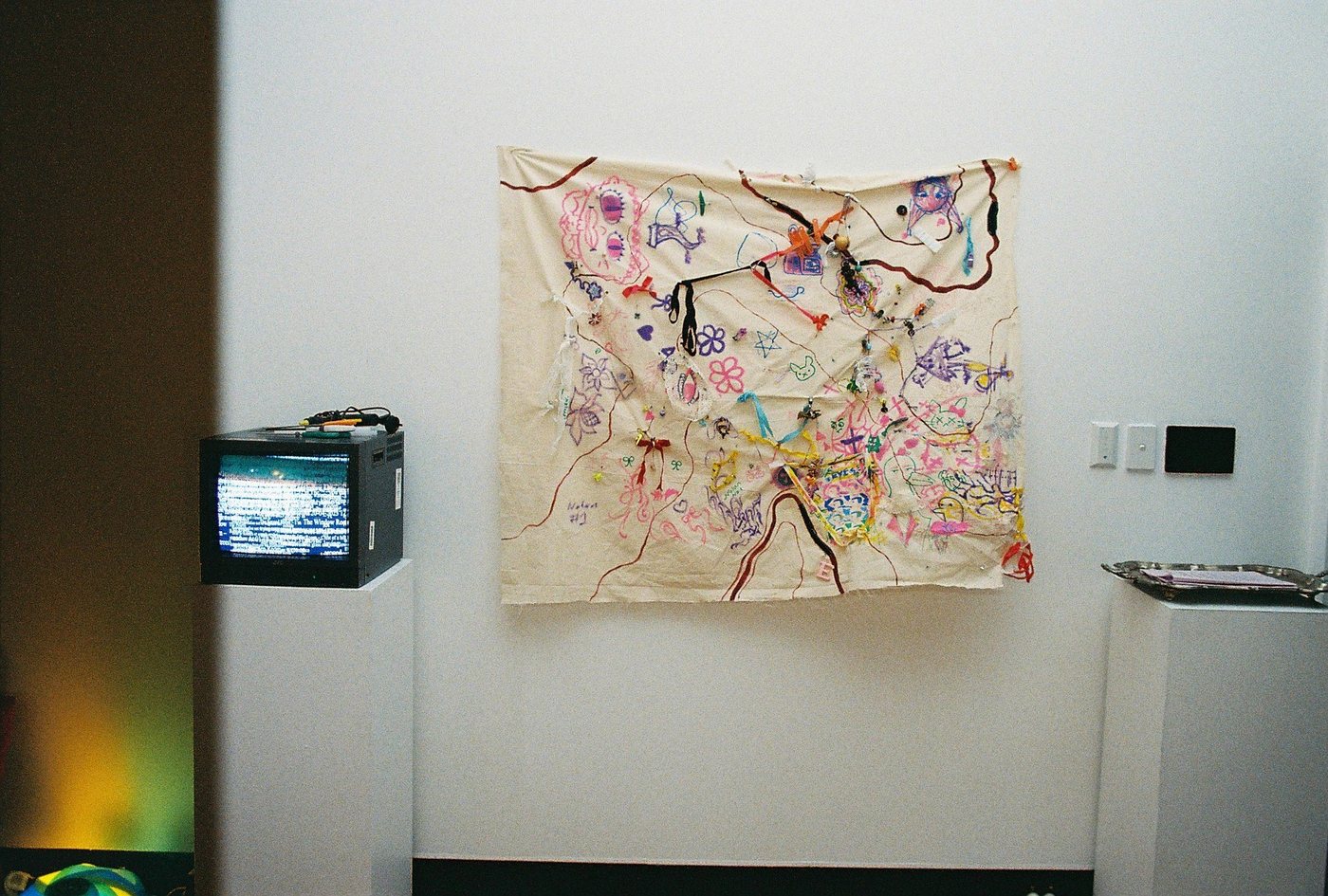
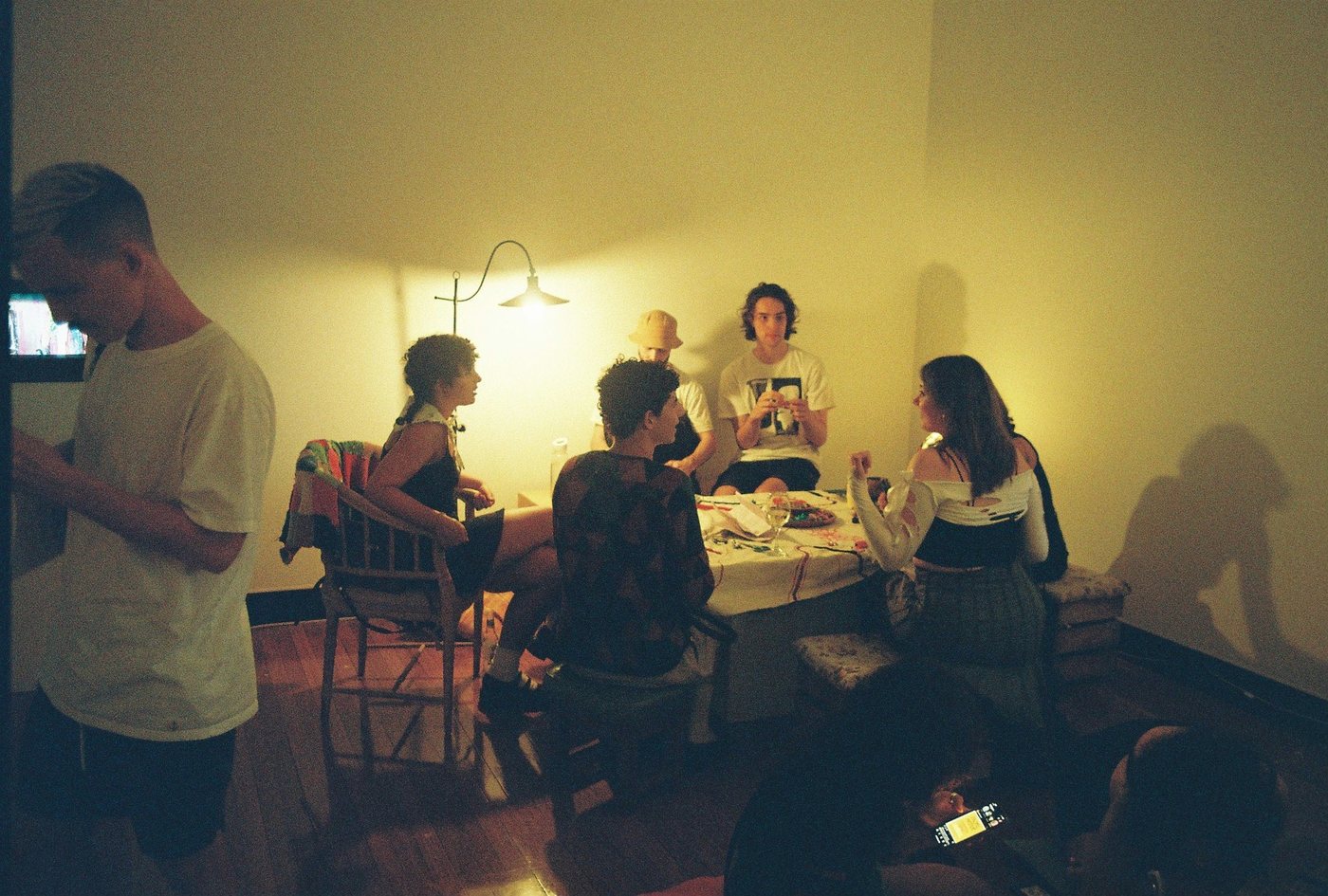
In biological terms, topography refers to the structural relationship between features within an organism. The social organism is a model that understands humans as inherently social creatures and, therefore, society as a "living organism".
In this model, all entities have a function and obligation relevant to the topographical structural relationships of the social organism, which is essential to maintaining the organism's stability and cohesiveness.
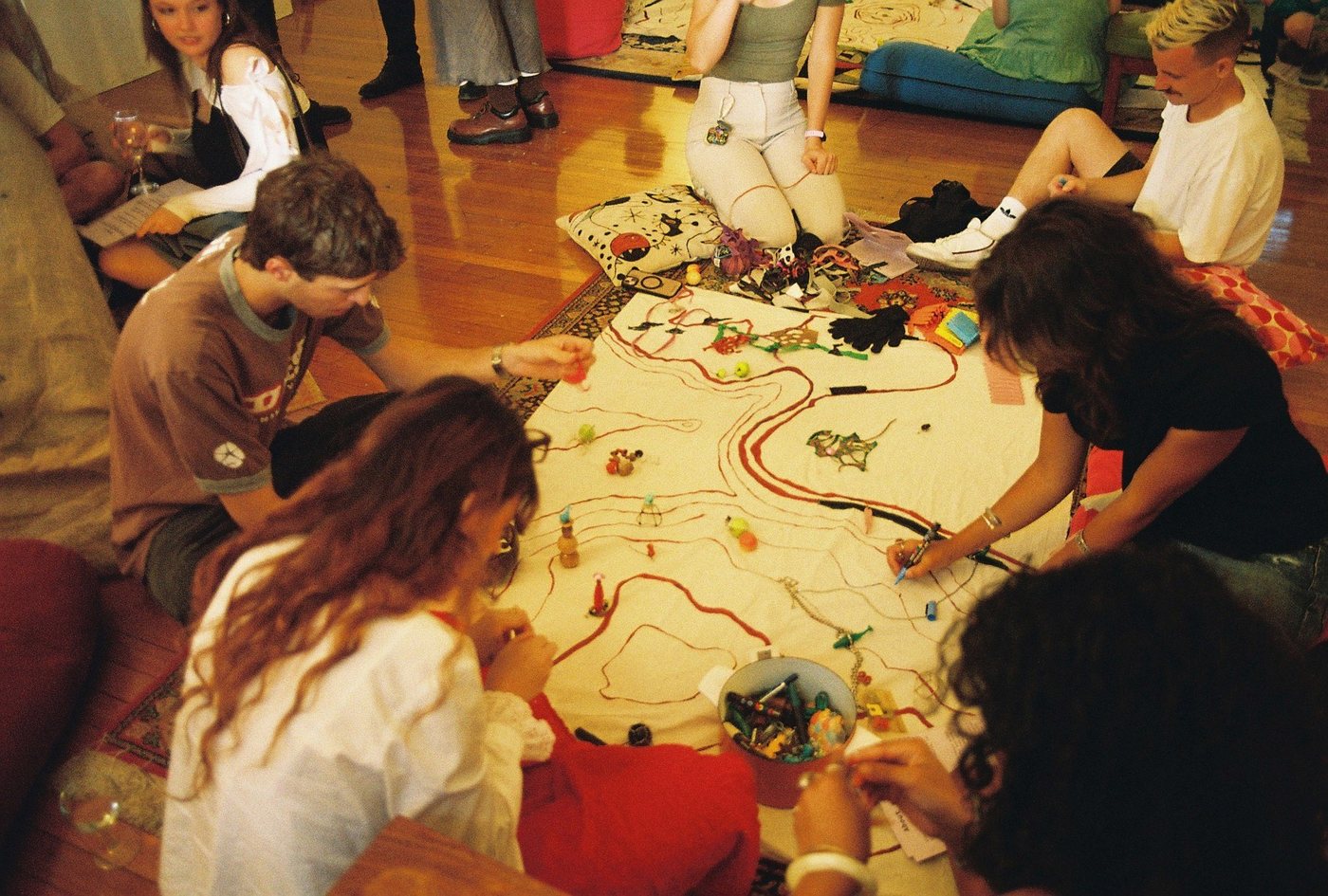
Nikau and Minna aim to facilitate a space that allows participants to remember the importance of fluidity, community and flexibility when attempting to find a remedy for social ills. Just as there is no food that will permanently satisfy the hunger of an organism, there is no static, final or universal solution to sociopolitical issues. However, community can serve as a structure that continually renews social forces in fluid cooperation, which ultimately helps maintain the health and stability of the social organism.
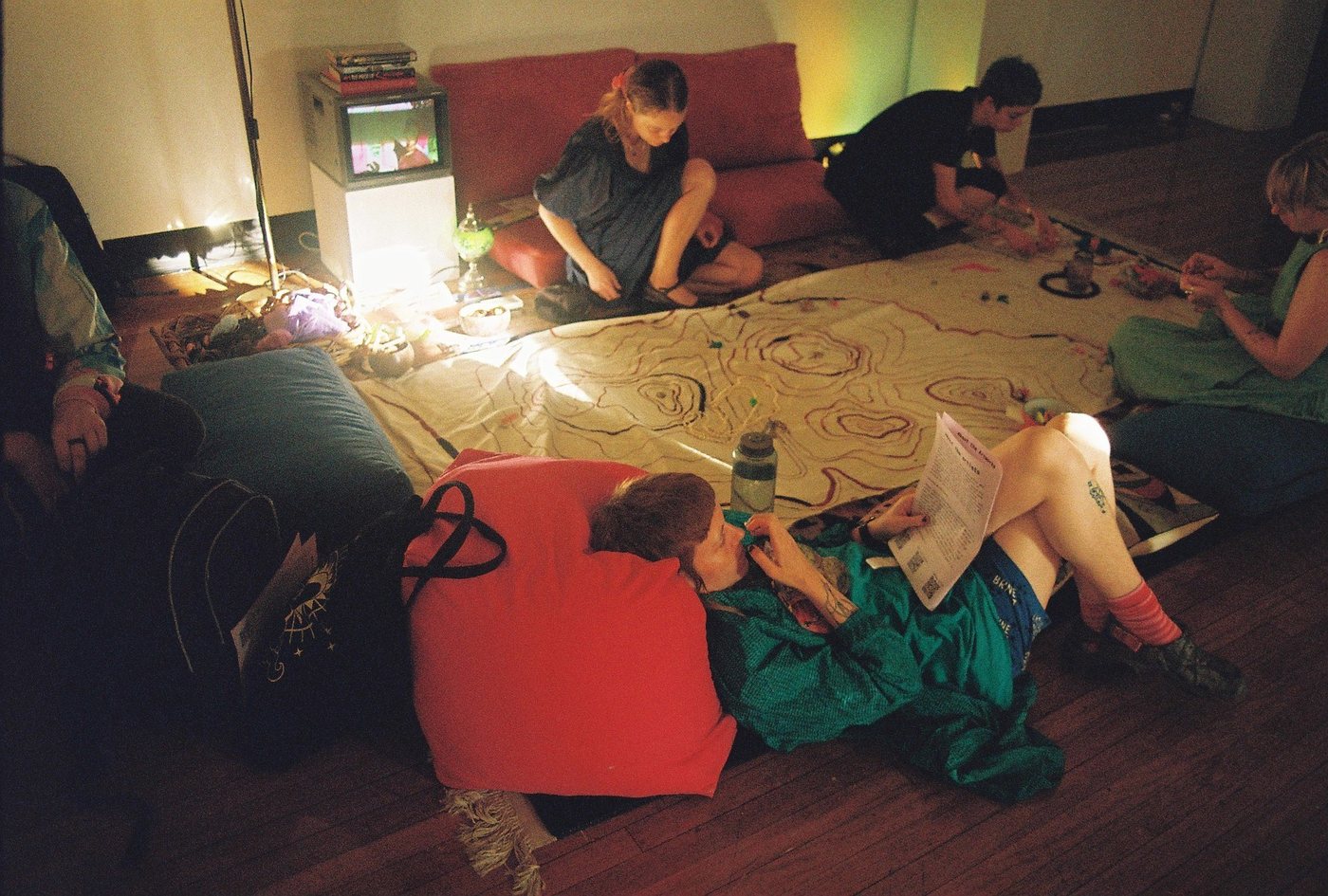
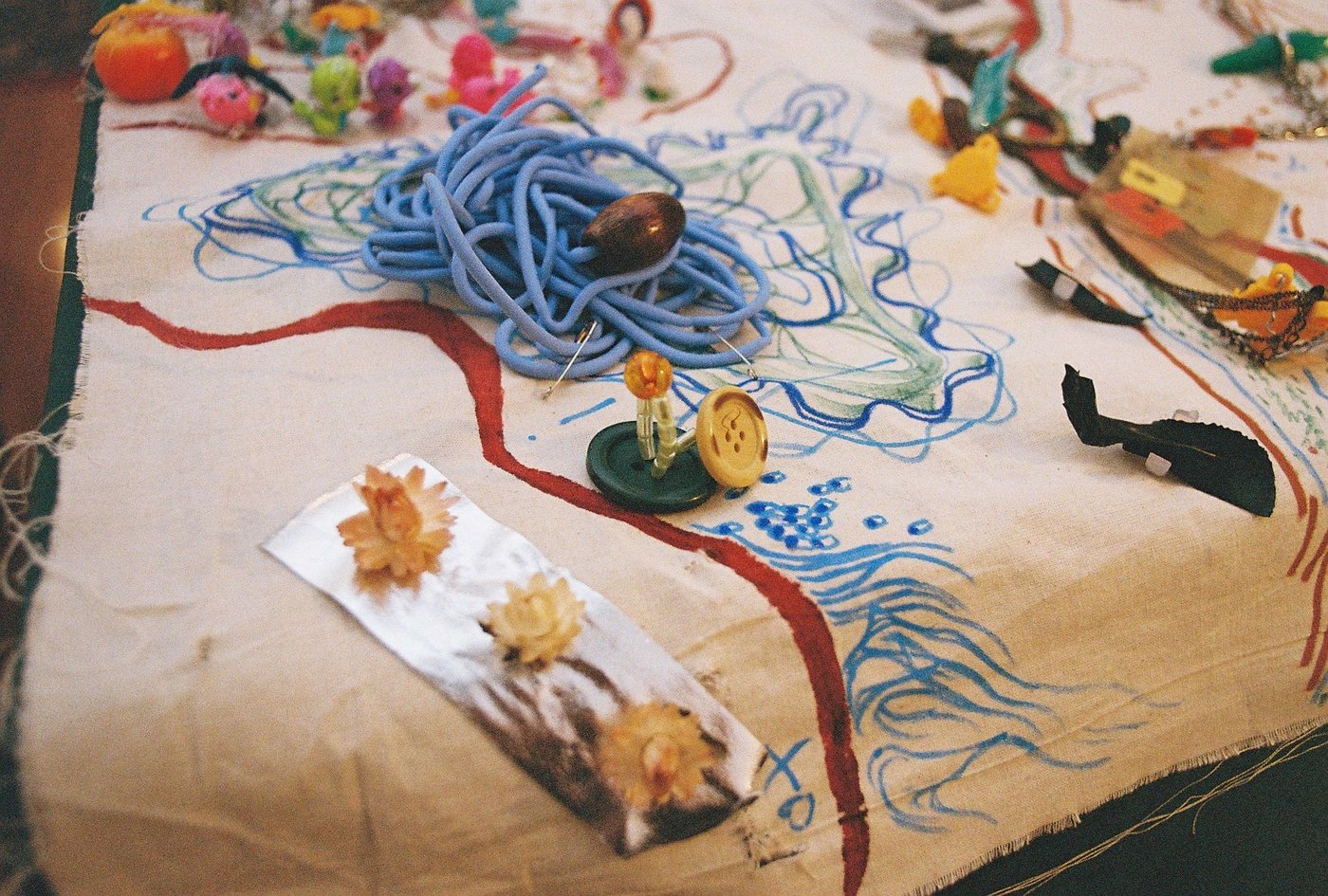
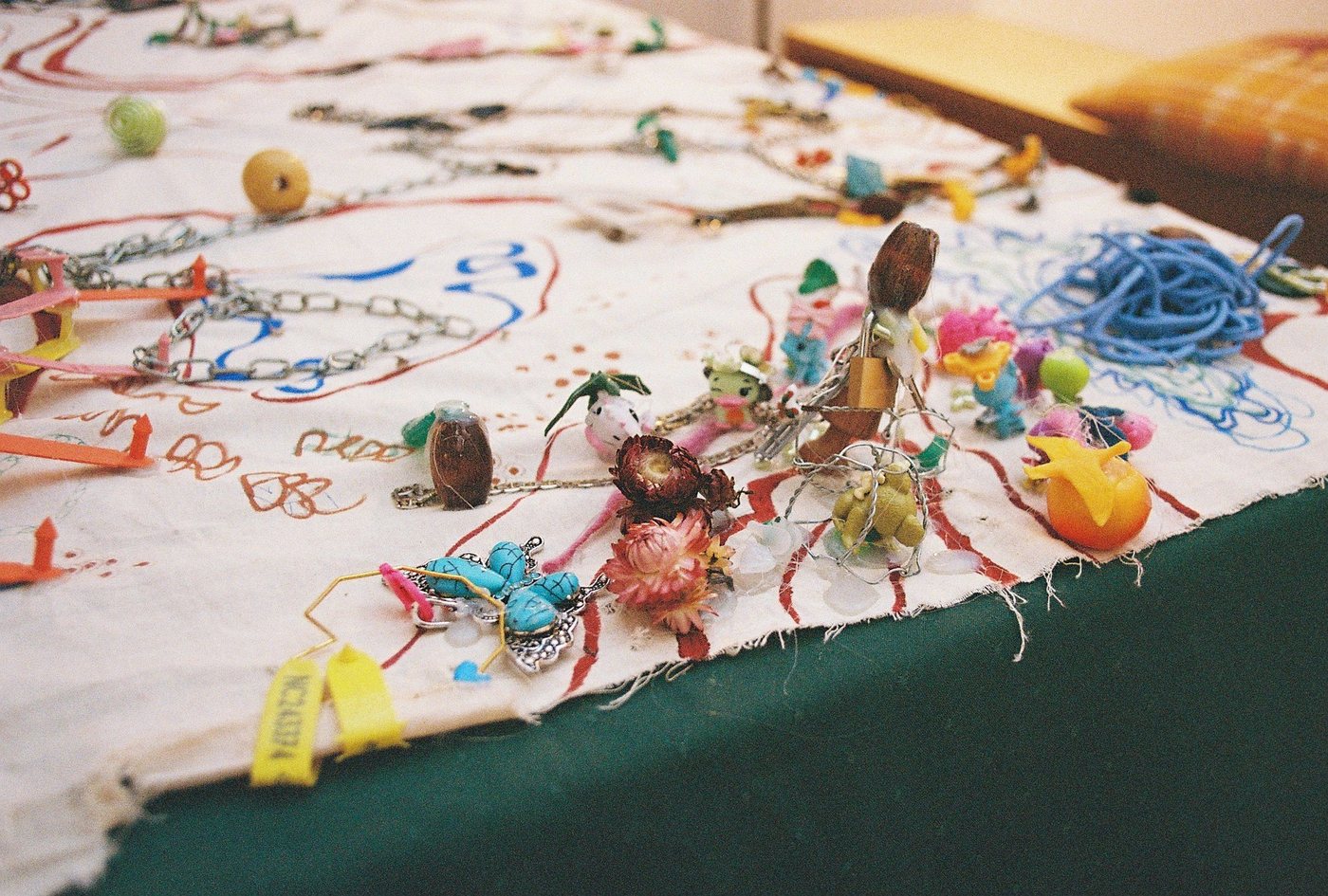
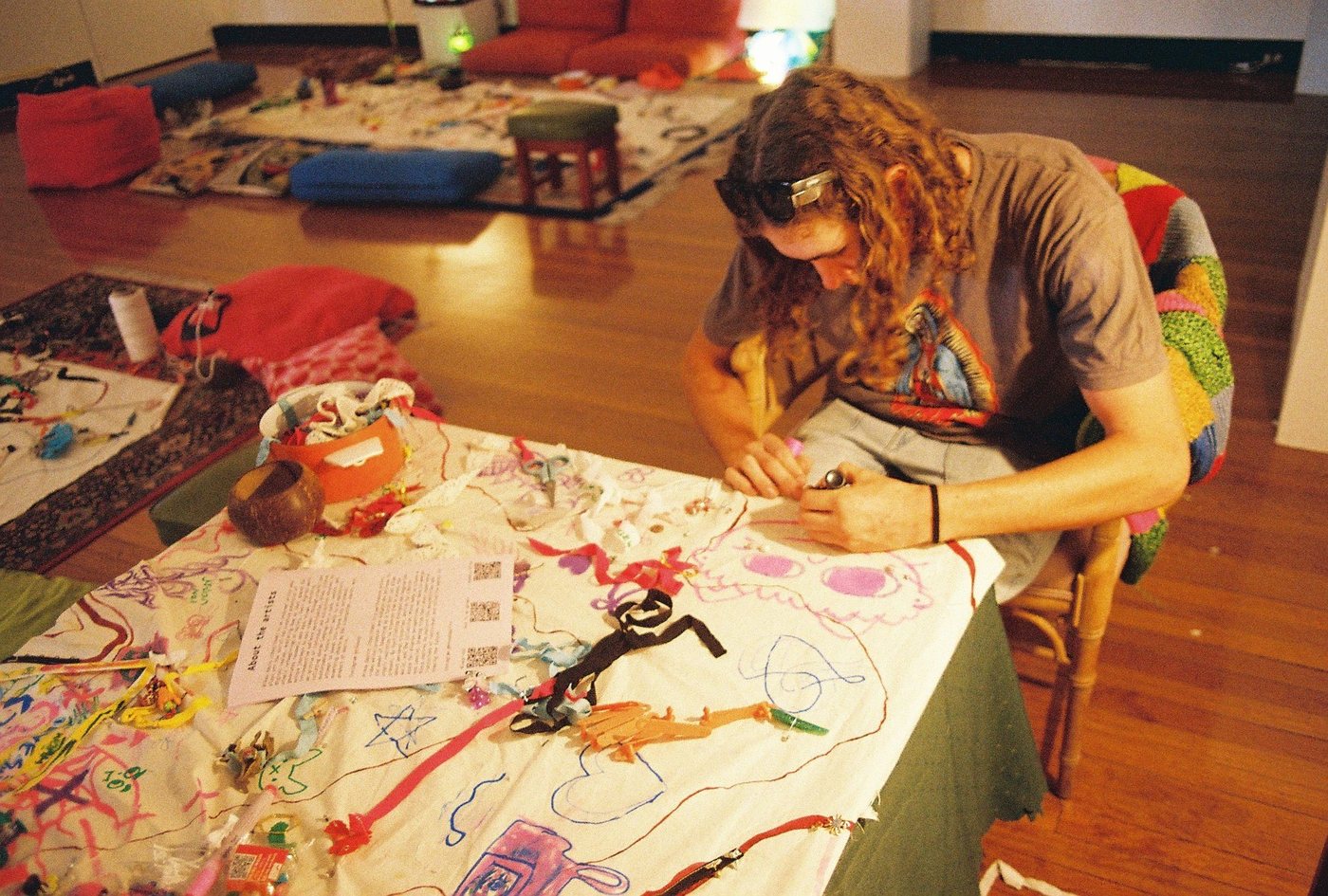
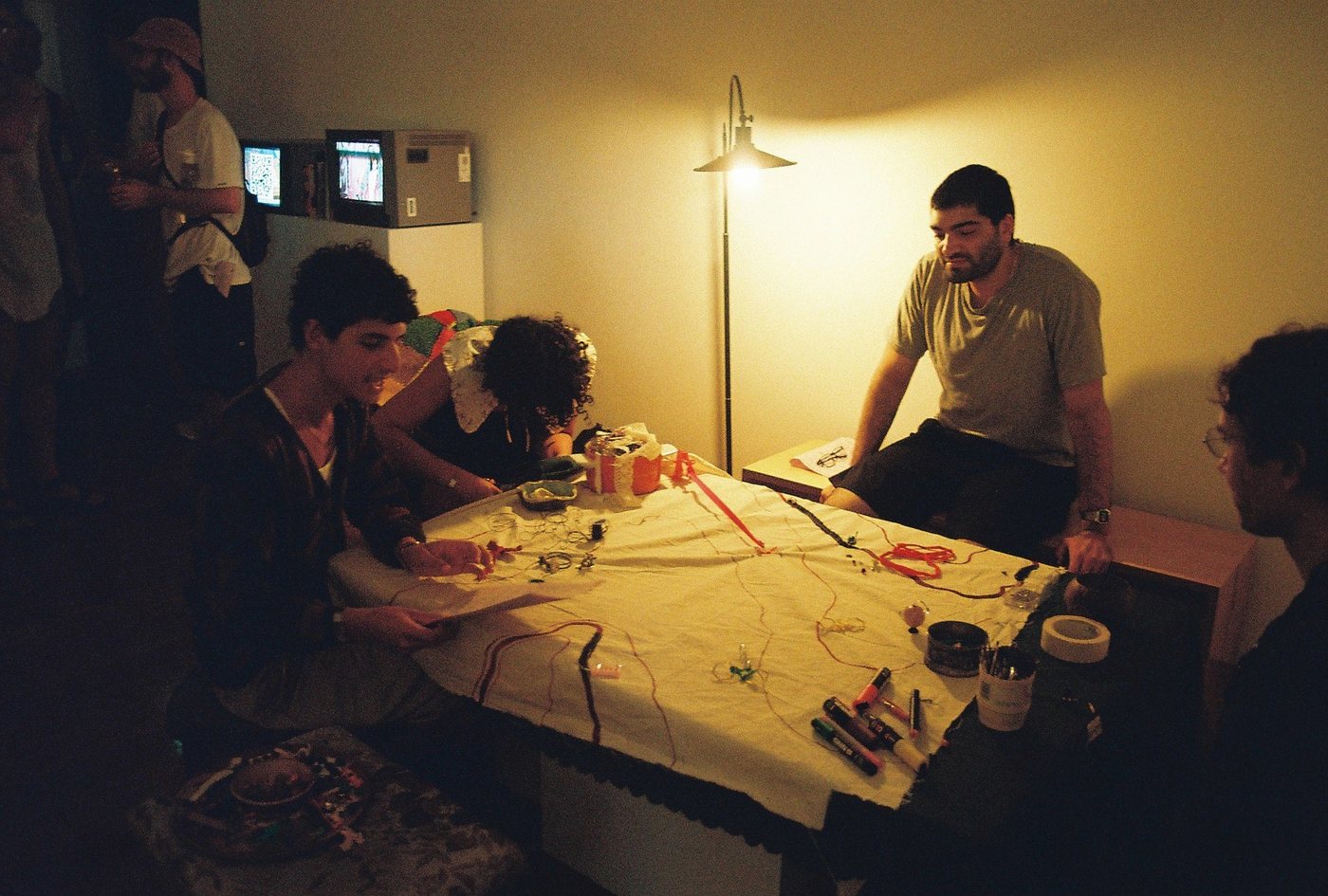
“Utopographic Map”, the artwork at the heart of the exhibition, asks the audience to take a seat and spatially engage with and design a collective utopia. By exploring the collection of curious objects and attaching them to the map, considering how they might create meaning and relate to the spaces around them, contributors create a map of a collective utopia.
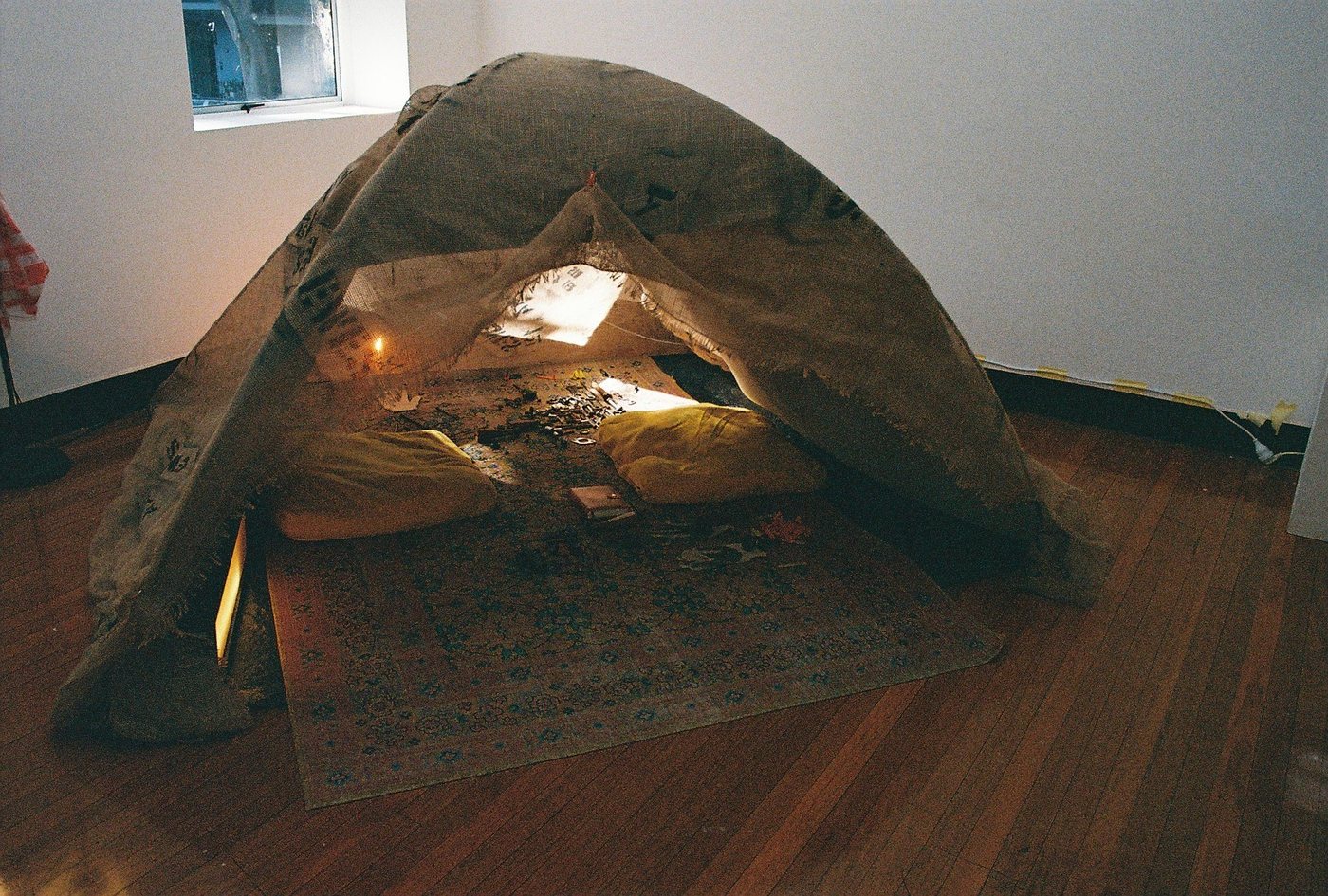
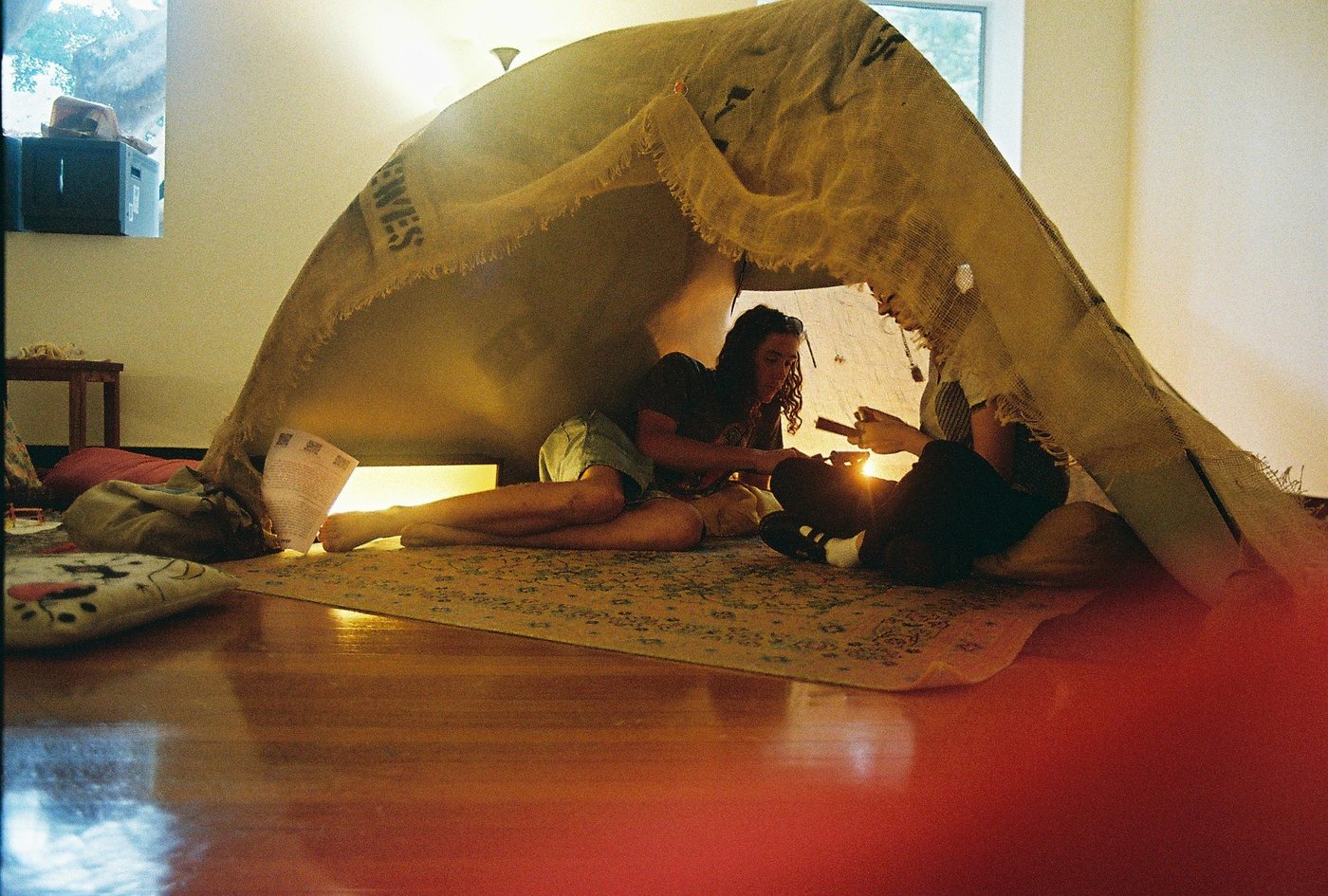
“The Tent” invites audience members to enter, with a stranger, a friend, or on their own. Inside, they are encouraged to read the questions in the guestbook, discuss, and answer them in writing. The work cultivates a productive and provoking conversation, creating an archive of perspectives surrounding the fundamental requirements of utopia.
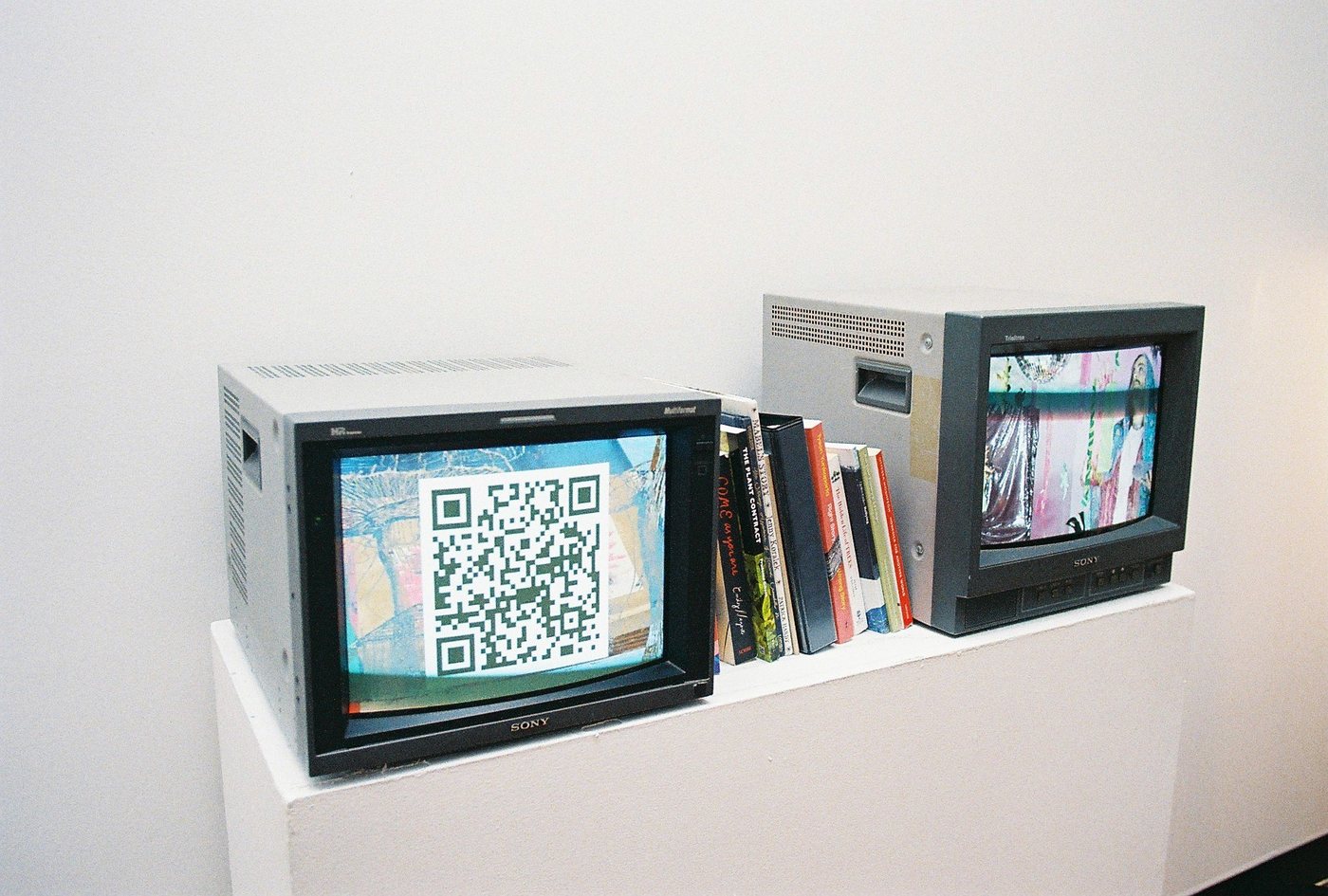
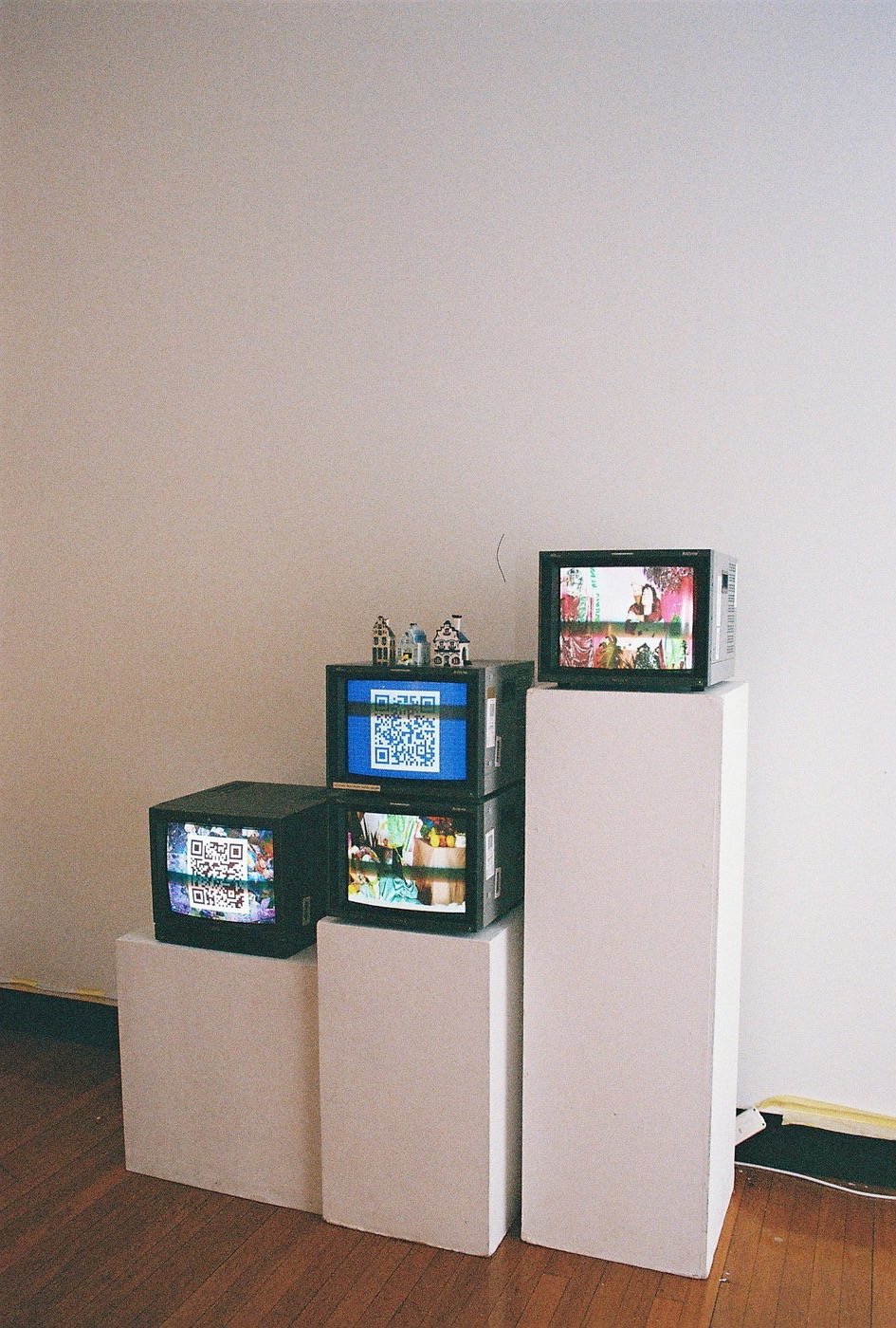
In “Blueprints”, the audience is encouraged to give a virtual house tour of their dream home in a speculative utopian future, contemplating the material requirements of a speculative utopian future. By scanning the QR code and engaging in written dialogue, the work ultimately creates an archive of individual desires to develop an overview of a collective utopia.